
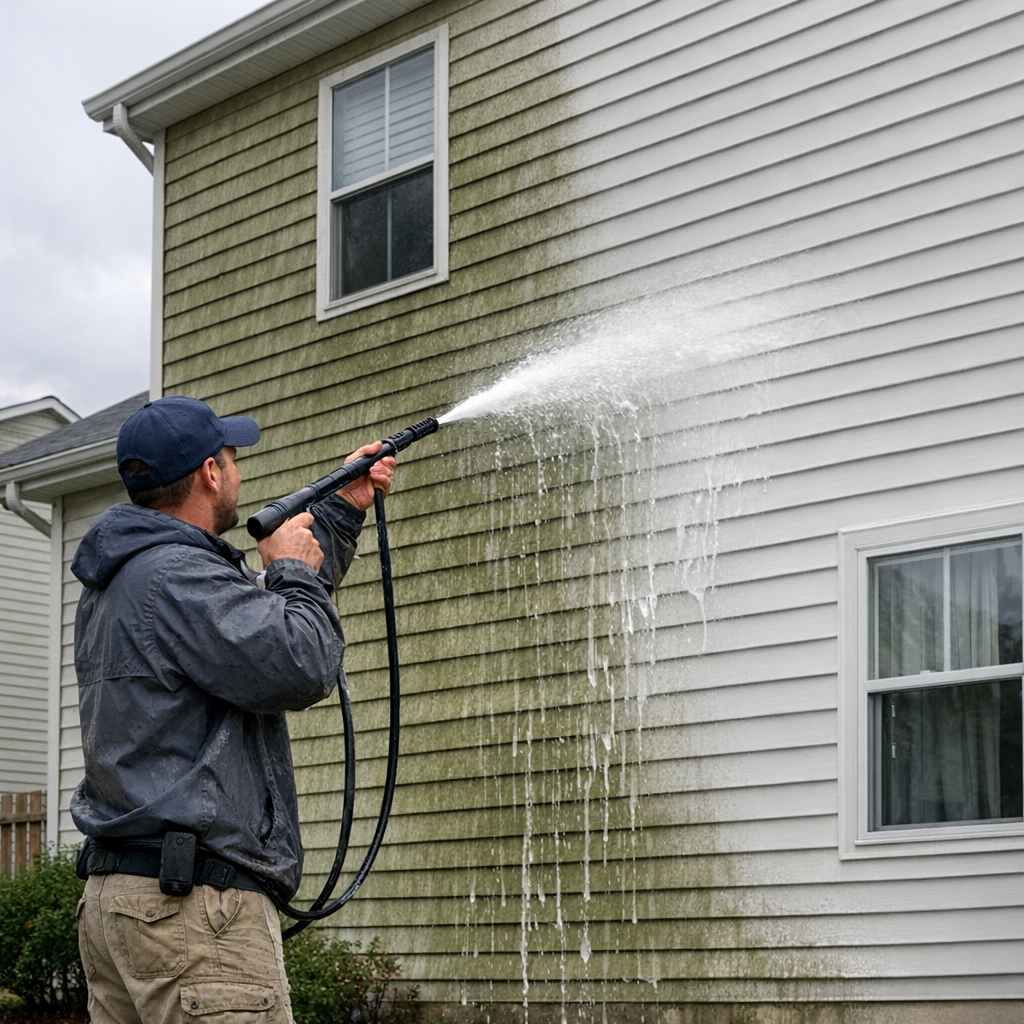
What power washing siding costs in Chicagoland
These are Power Play's actual rates. Not an estimate from a website that has never been to Chicagoland and doesn't know what six months of road salt does to a house exterior.
| Service | Price Range |
|---|---|
| House siding wash | $200 to $375 |
| Full property package (siding + driveway + walkways) | $300 to $525 |
| Driveway cleaning | $100 to $175 |
| Deck cleaning | $125 to $225 |
| Gutter brightening | $100 to $175 |
Most siding jobs fall in the $200 to $325 range for a standard two-story suburban home. What moves you toward $375: a larger home, significant mold or algae buildup, multiple siding types on the same house (vinyl on the upper section, brick at the base), or a property that hasn't been washed in several years.
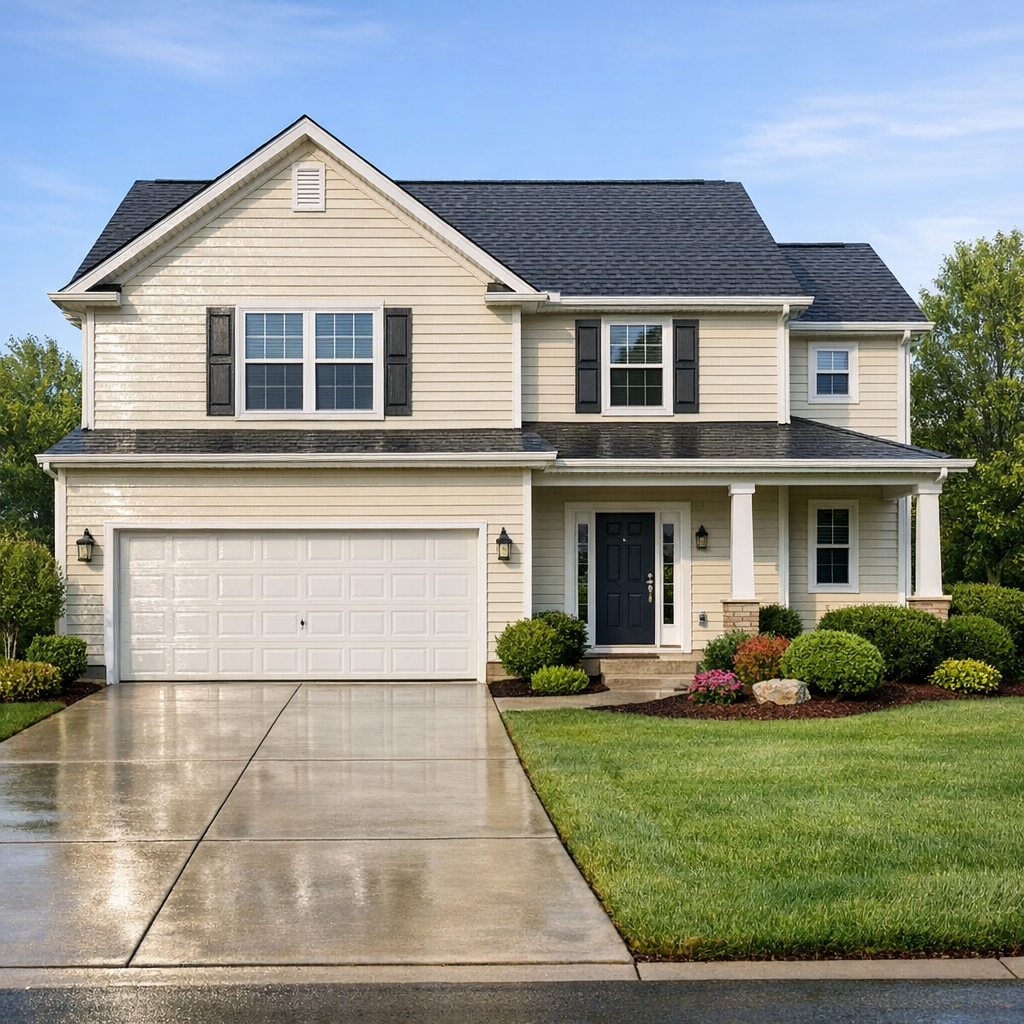
The full property package at $300 to $525 is the most common booking in spring. You get siding, driveway, and walkways done in one morning. Most homeowners who book just the siding the first time add the driveway the following year once they see how much difference a clean property makes side by side.
Soft washing vs. pressure washing: which one your siding actually needs
Most residential pressure washing companies in Chicagoland use high pressure on vinyl siding because it's faster. It is also the wrong approach, and the consequences show up two years later.
High-pressure washing on vinyl siding (2,000 to 4,000 PSI, the correct setting for concrete driveways) forces water behind the panels. That water sits in the wall cavity. It causes mold growth you can't see until there is a larger problem. It cracks older vinyl material along the seams. And because it only blasts the surface instead of killing the mold at the root, the green comes back in eight weeks.
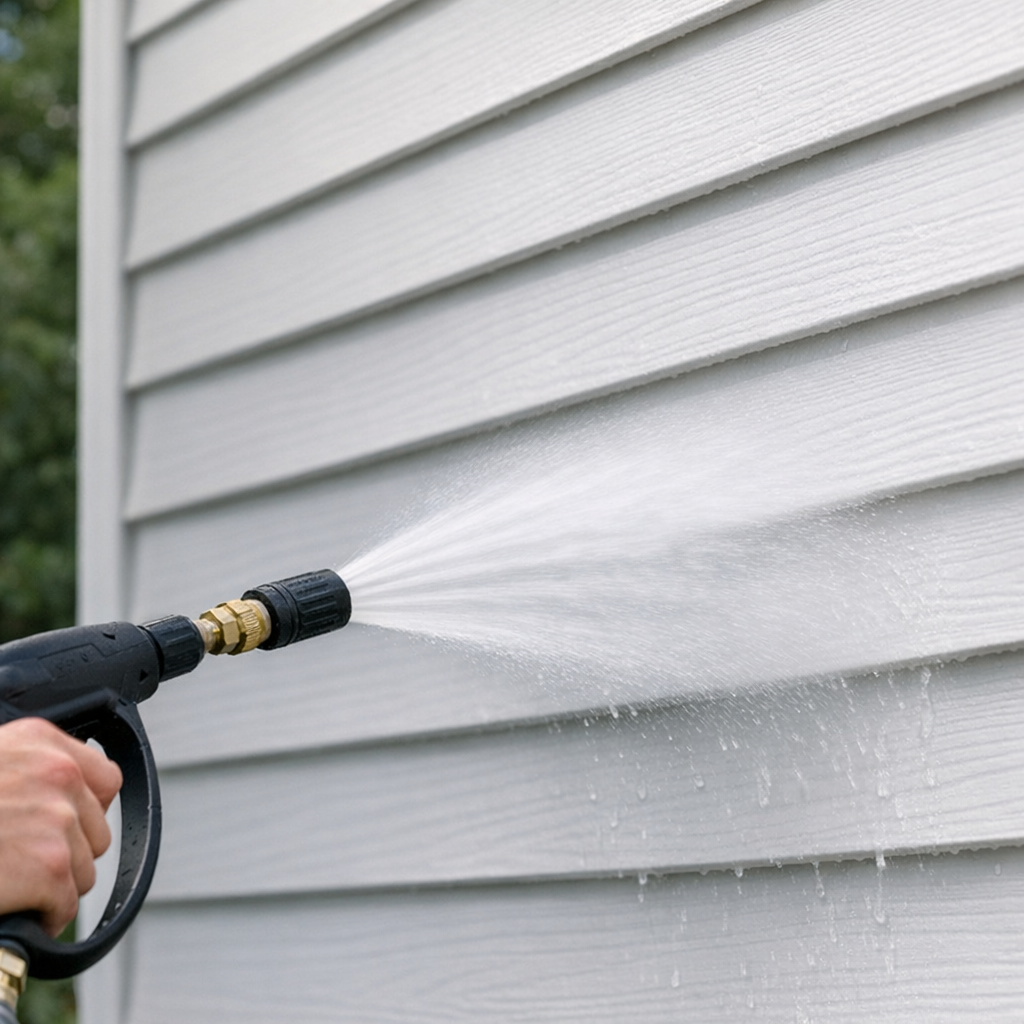
The correct method for siding is soft washing: 300 to 500 PSI combined with a biodegradable cleaning solution. The solution kills mold and algae at the root. The low pressure rinses it away without forcing water behind the panels. The siding stays clean for a full season because the cause was treated, not just the symptom.
If you're getting quotes from multiple companies, ask them directly: what PSI do you use on vinyl siding? If they say anything above 500 without clarification, that's the answer. Concrete needs high pressure. Siding does not.
How to clean siding by material type
Chicagoland homes have more variety than people realize: vinyl on newer construction, wood on older homes, brick on mid-century colonials, stucco on a surprising number of properties in the northwest suburbs. The method changes with the material.
| Siding Type | Method |
|---|---|
| Vinyl | Soft wash (300–500 PSI) |
| Wood | Soft wash or low pressure |
| Brick | Low pressure + detergent |
| Stucco | Soft wash only |
| Fiber cement | Low pressure + soft brush |
The common thread: high pressure is correct for hard impermeable surfaces (concrete, brick in good condition). For everything else, lower pressure and more chemistry.
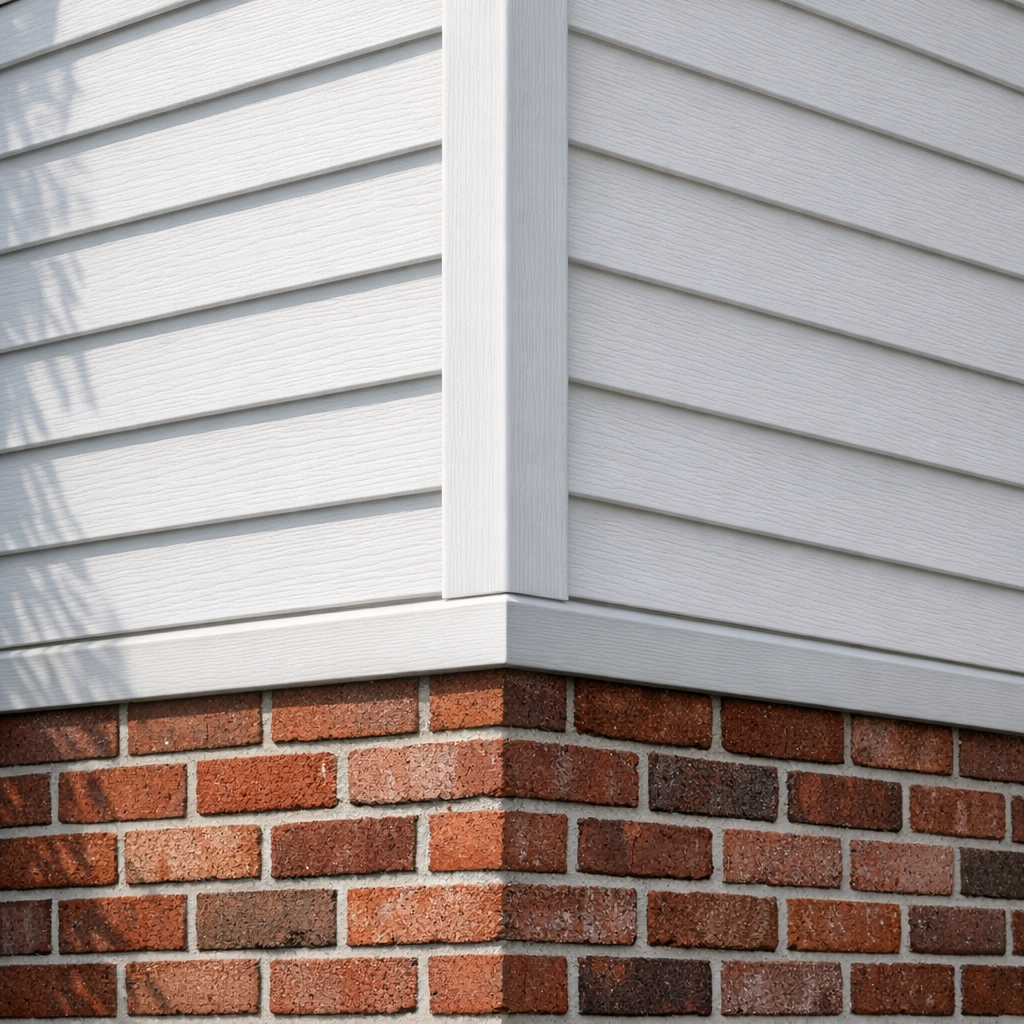
Mixed-material homes (vinyl top half, brick base) need two different approaches in the same visit. We adjust equipment and solution between sections. A company with one setting for everything will get one section right and damage the other.
When you book Power Play, you get Sam and his partner on every job. Not a crew that changes week to week. The same two people who started the business. Sam mentions this because he's heard the complaints: companies that send different people each time, where nobody takes ownership of the result. Their answer was not to have a rotation.
Why Chicagoland siding needs washing more than you think
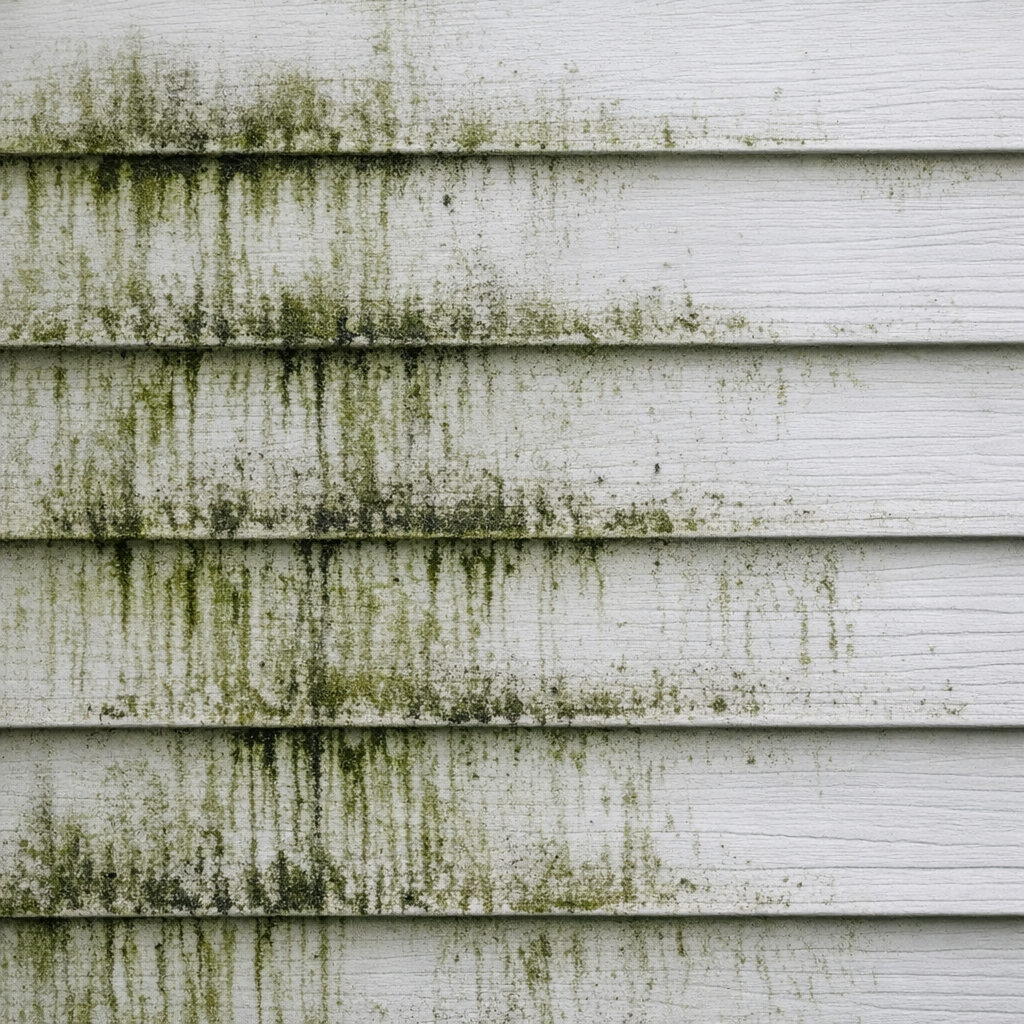
Chicago winters deposit road salt spray, brine residue, and freeze-thaw grime across every exterior surface for six months. By April, siding that looked clean in October has accumulated a layer of salt film, airborne pollution, and the early stages of biological growth wherever moisture sits.
That grime layer does two things over summer. First, it accelerates paint fade. Siding under accumulated grime fades 30 to 40 percent faster than clean siding, because the grime traps heat and UV radiation against the surface. Second, mold grows fastest in summer heat on a surface that already has biological material established. Skipping the spring wash doesn't mean the surface stays the same. It means by August the problem is significantly worse than it was in April.
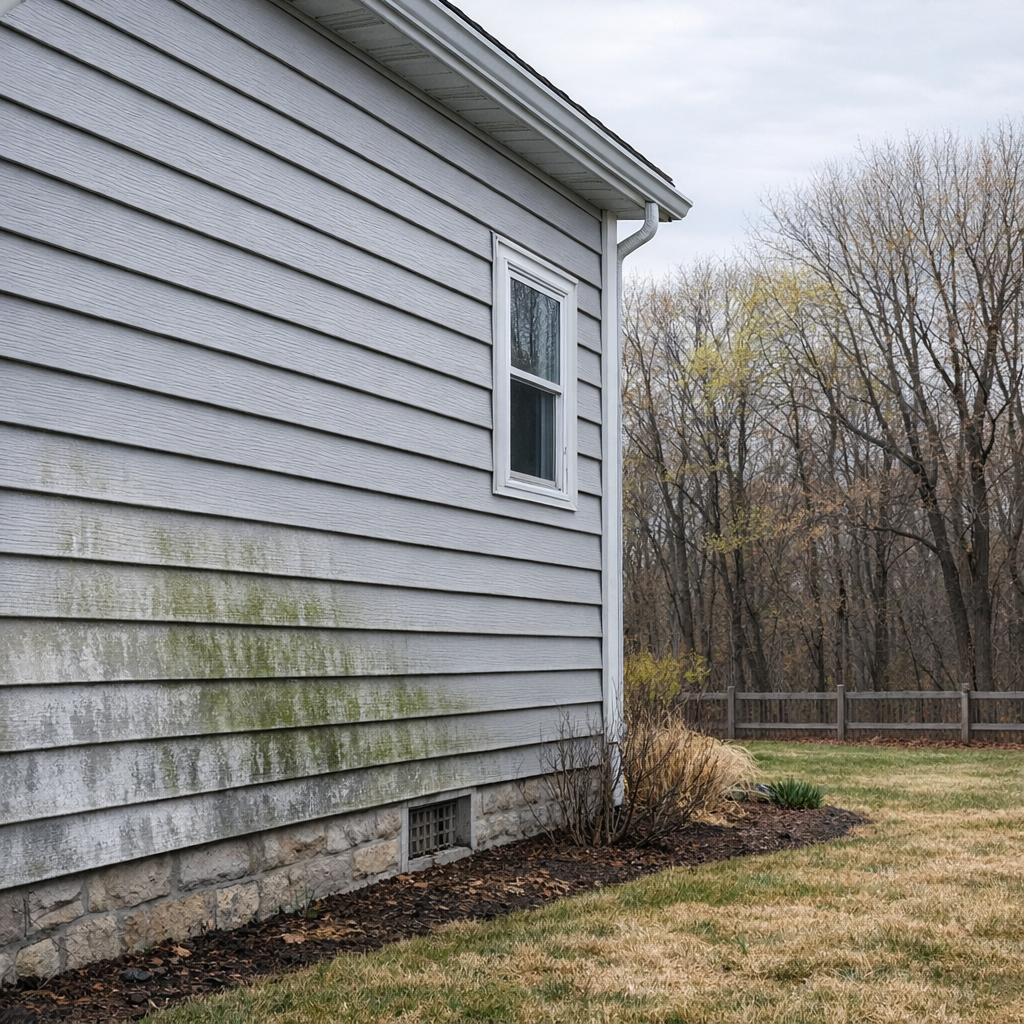
Homes in shaded areas, those near tree lines, or with north-facing siding get hit hardest. North-facing surfaces get the least sun and hold moisture longest, which is why the north side of most Chicagoland homes gets algae and mold before any other section.
The EPA notes that mold can begin growing on a surface within 24 to 48 hours of moisture exposure. On siding that sits damp for weeks after a Chicago winter, biological growth is not a matter of if but when.
How often should you wash your siding
Once a year is the right answer for most Chicagoland homes. April through early May is the window: temperatures are above 40°F (below that, water in pores can freeze overnight and cause surface damage), the last hard freeze has passed, and you're clearing winter accumulation before summer heat sets in.
- Spring wash (April to May): the primary wash for Chicagoland homes. Clears winter salt film, brine residue, and early biological growth before mold peaks in summer.
- Fall wash (September to October): optional, but worthwhile if your siding picked up heavy pollen, tree sap, or insect activity over summer. Not a substitute for spring — fall washing with no spring wash means all winter damage compounds.
- Every 2 to 3 years if you skip: the job takes significantly longer, the biological growth has deeper roots, and paint fades faster under the accumulated layer. Annual washing is always cheaper than deferred maintenance.
For a full breakdown by surface type including driveways, decks, and gutters, our guide on pressure washing frequency for Chicagoland homes covers the complete schedule.
When not to hire a pressure washing company for siding
A few situations where washing won't help or will make things worse:
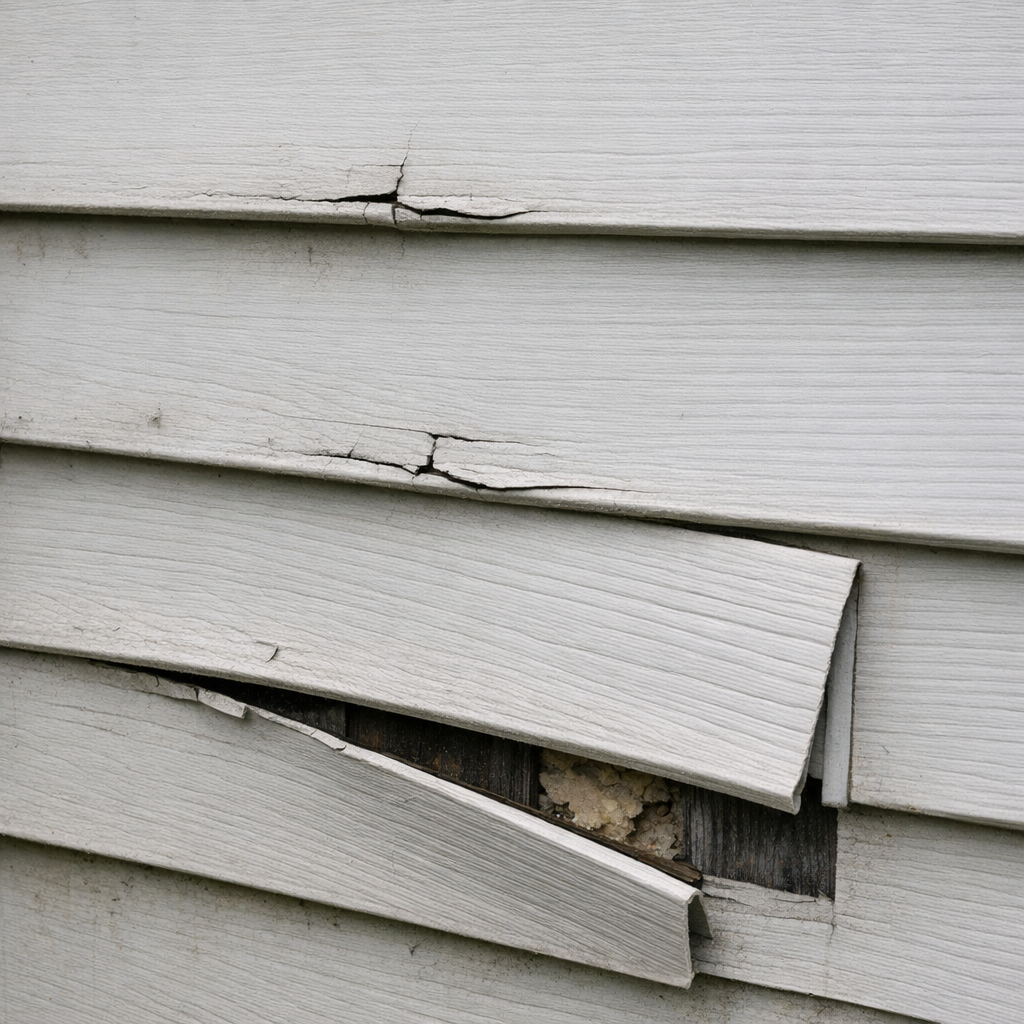
Cracked or damaged siding panels
If vinyl panels are cracked, split, or visibly pulling away from the wall, get them repaired first. Soft washing will force water into those gaps regardless of how low the pressure is. Water in wall cavities is a bigger problem than dirty siding.
Paint that was applied in the last six weeks
Freshly painted siding needs time to cure fully before any washing. Six weeks minimum; longer in cooler weather. Washing it too early can lift the paint before it has bonded to the surface, leaving a worse result than the dirt you were trying to remove.
Peeling or flaking paint on wood siding
If the paint is already failing, soft washing will accelerate the peeling. Get the paint work done first — scrape, prime, and repaint the compromised sections, then schedule the wash after it has cured. Washing peeling paint is not a shortcut; it makes the repair larger.
Siding that has structural issues underneath
Black staining that appears in specific rectangular patterns (matching the studs behind the wall) can indicate moisture inside the wall rather than surface mold. That is a different problem than dirty siding and needs a contractor, not a pressure washer.
If you're not sure whether your siding is ready to be washed, text us a photo before booking. We'll tell you honestly. The University of Illinois Extension's guidance on exterior maintenance also covers the order of operations for exterior repairs before washing.
Frequently asked questions

How much does it cost to power wash siding in Chicagoland?+
A house siding wash in Chicagoland runs $200 to $375 depending on home size. A full property package covering siding, driveway, and walkways runs $300 to $525 in a single visit. Call or text (312) 488-9033 for a free quote with same-day response.
What is the difference between soft washing and pressure washing siding?+
Soft washing uses 300 to 500 PSI with a biodegradable cleaning solution that kills mold and algae at the root. Pressure washing uses 2,000 to 4,000 PSI, which is the correct range for concrete driveways — not siding. Using high pressure on vinyl siding forces water behind panels and can crack older material. The solution does the work in soft washing; the pressure just rinses.
Can you power wash vinyl siding?+
Not with high pressure. Vinyl siding should be soft washed at 300 to 500 PSI with a cleaning solution. High-pressure washing on vinyl can force water behind panels, causing moisture damage inside the wall cavity, and can crack or warp older vinyl material. Low pressure plus detergent cleans it correctly.
How often should you wash your house siding?+
Once a year is the standard for most Chicagoland homes. April or early May is the best window — temperatures are consistently above 40°F and you're clearing six months of road salt and winter grime before mold season peaks in summer heat.
Does power washing damage siding?+
High-pressure washing damages siding. Soft washing at 300 to 500 PSI does not. The confusion comes from companies using the same equipment settings on siding as they use on concrete. These are different surfaces requiring different methods. If someone shows up with the same nozzle they used on your driveway and points it at your siding, that is the wrong approach.
Can you power wash brick or stucco?+
Brick can be cleaned at low pressure with detergent, but high pressure above 1,500 PSI risks damaging mortar joints. Stucco is porous and should be soft washed only — high pressure forces water deep into the surface. Both require lower pressure and more detergent dwell time than concrete.
How do I know if my siding needs washing?+
Green or black streaks are algae and mold. A chalky white film is efflorescence from moisture. Siding that used to be bright white and now looks gray or yellowed is years of accumulated grime. Any of these mean it needs washing now. Left alone, mold roots penetrate the surface and paint fades 30 to 40 percent faster under that grime layer.
Is it safe to pressure wash painted siding?+
Low-pressure soft washing is safe on painted siding that is in good condition. If the paint is peeling, chipping, or was applied within the last six weeks, do not wash it yet. High pressure on peeling paint strips it off and forces water into the exposed wood underneath. Get the paint work done or cured first.
Sources referenced in this article
Related from Power Play
Your siding has been looking like that long enough.
Soft wash method. Two owners on every job. Free quote, same-day response. We show up, do it right, and send before-and-after photos when we're done.
Sam
Co-owner, Power Play Pressure Washing
Sam started Power Play with his teammate Michael Verni in 2024. Both grew up playing hockey together for the Chicago Blues in Bensenville. He's been on every siding wash and property job since day one across 200+ properties in the north and northwest suburbs. If you book with Power Play, Sam and Michael show up.